
Carbs: Fuel or Enemy? Separating Fact from Fiction

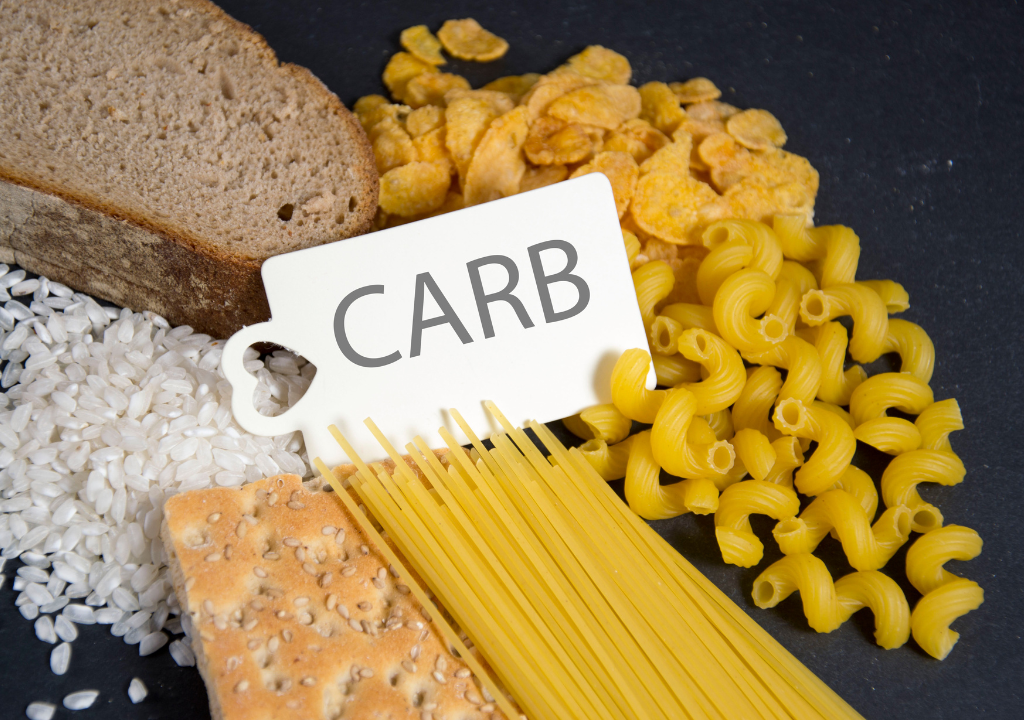
Carbohydrates are one of the most misunderstood nutrients in fitness. Some diets demonize them as the cause of weight gain, while others emphasize them as essential fuel. The truth lies in between: carbs can be powerful allies or a stumbling block, depending on the type, amount, and timing.
Why Carbs Matter
- Primary energy source → Carbs fuel both the brain and muscles.
- Performance booster → High-intensity training relies heavily on glycogen (stored carbs).
- Recovery support → Carbs help replenish energy stores after workouts.
- Metabolic health → Whole-food carbs contribute to fiber intake, gut health, and stable blood sugar.
The Glycemic Index, Load, and Carb Types
- Simple carbohydrates → Found in foods like sugar, sweets, fruit juices, and white bread. They digest quickly, causing
rapid spikes in blood glucose and insulin. These can be useful in specific contexts (like post-workout recovery), but in
excess they can strain metabolism. - Complex carbohydrates → Found in oats, beans, lentils, vegetables, brown rice, and whole grains. They digest more
slowly, leading to steady energy release and a gentler insulin response. - Glycemic Index (GI): Ranks how quickly a carb food raises blood sugar.
- Glycemic Load (GL): Considers both GI and portion size, making it more practical.
Key takeaway: Both GI/GL and the simple vs complex carb distinction matter, especially for managing energy,
performance, and long-term health.
Evidence-Based Guidelines
- General population: 45-55% of daily calories from carbs, ideally from whole, minimally processed foods.
- Endurance athletes: Higher intake (5-10 g/kg/day) for glycogen-heavy training.
- Strength & recreational athletes: Moderate intake (3-6 g/kg/day).
- Weight management: Adjust carb intake to match activity levels. Quality and timing matter more than blanket restriction.
Example: A 70 kg recreationally active person might thrive on 210-420 g carbs per day, mostly from complex, whole-food sources.
Carbohydrate Sources
- Complex carbs (preferred daily sources): Oats, quinoa, beans, lentils, brown rice, potatoes, sweet potatoes, wholegrain pasta, whole fruit, vegetables.
- Simple carbs (occasional or performance-focused): White rice, white bread, pasta, fruit juice, honey, sweets; best used around training or for quick recovery.
Common Myths
- “Carbs make you fat.” → Excess calories — from any source — cause weight gain.
- “Cutting carbs is the only way to lose weight.” → Fat loss comes from energy balance, not carb elimination.
- “Sugar is toxic.” → Excess sugar isn’t healthy, but moderate amounts can fit into an active lifestyle.
- “Fruit is bad because it has sugar.” → Whole fruit provides fiber, vitamins, and antioxidants. Not the same as refined sugar.
Practical Recommendations
- Favor complex carbs for stable energy and health.
- Use simple carbs strategically (e.g., pre/post workout for athletes).
- Pair carbs with protein and healthy fats for satiety and blood sugar control.
- Prioritize whole grains, legumes, vegetables, and fruit over refined options.
Takeaway
Carbs aren’t the enemy. They’re a tool. Choosing mostly complex carbs, using simple carbs strategically, and aligning intake with activity levels is the key to fueling performance, recovery, and long-term health.
Reference Studies
- Jenkins DJA, Wolever TMS, Taylor RH, et al. Glycemic index of foods: a physiological basis for carbohydrate exchange. Am J Clin Nutr. 1981;34(3):362–366.
- Ludwig DS. The Glycemic Index: Physiological Mechanisms Relating to Obesity, Diabetes, and Cardiovascular Disease. JAMA. 2002;287(18):2414–2423.
- Augustin LS, Kendall CWC, Jenkins DJA, et al. Glycemic index, glycemic load and glycemic response: An International Scientific Consensus Summit. Am J Clin Nutr. 2015;102(4):920–926.
- Thomas DT, Erdman KA, Burke LM. Nutrition and Athletic Performance. Med Sci Sports Exerc. 2016;48(3):543–568.
- American Diabetes Association. Standards of Medical Care in Diabetes—2022. Diabetes Care. 2022;45(Suppl 1):S183–S203.