Sleep and Recovery: The Forgotten Training Tool

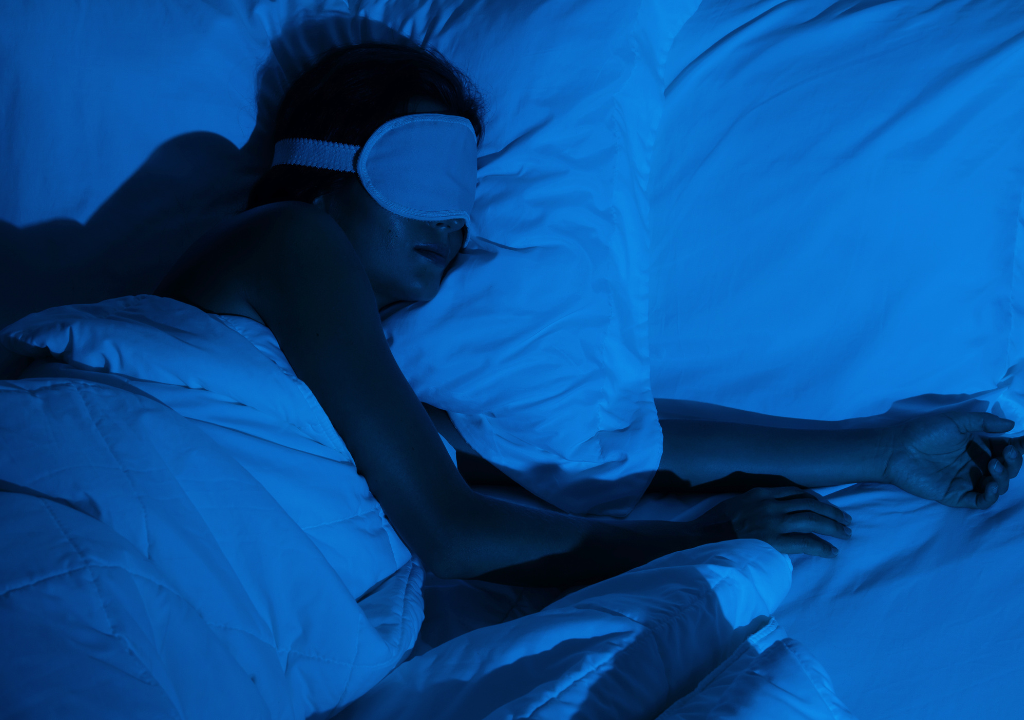
Most people focus on sets, reps, and intensity, but overlook the part of training where the body actually adapts: recovery. Sleep and structured recovery strategies are just as important as lifting weights or running miles. Without them, progress stalls, injury risk climbs, and results fall short.
Why Sleep Matters for Training
- Muscle repair & growth: Growth hormone is released during deep sleep.
- Energy & focus: Poor sleep reduces strength, endurance, and reaction time.
- Immune health: Sleep supports recovery from both training and illness.
- Hormonal balance: Sleep affects hunger-regulating hormones (leptin/ghrelin), influencing weight management.
Recovery Beyond Sleep
- Active recovery: Light movement (walking, mobility work) improves circulation and reduces soreness.
- Sports massage: Helps relieve tension, restore range of motion, and support tissue recovery.
- Nutrition: Protein, carbs, and hydration fuel the recovery process.
- Rest days: Planned downtime prevents overtraining and supports long-term progress.
The Cost of Poor Recovery
- Plateaued results despite hard training.
- Higher risk of injury, joint pain, or burnout.
- Reduced motivation and energy for daily life.
- Weaker immune function, leading to more sick days.
Practical Recommendations
- Aim for 7–9 hours of quality sleep per night.
- Keep a consistent sleep schedule (bedtime/wake-up).
- Limit caffeine or screens before bed.
- Use recovery methods like stretching, sports massage, and active recovery.
- Listen to your body. Tiredness and irritability can be early signs of overtraining.
Takeaway
Training is not just about what happens in the gym. It’s also about how well you recover afterward. Sleep and recovery aren’t luxuries; they’re essentials. Prioritize them, and progress comes faster, safer, and more sustainably.
Reference Studies
- Fullagar HH, Skorski S, Duffield R, et al. Sleep and athletic performance: the effects of sleep loss on exercise performance, and physiological and cognitive responses to exercise. Sports Med. 2015;45(2):161–186.
- Dattilo M, Antunes HKM, Medeiros A, et al. Sleep and muscle recovery: endocrinological and molecular basis for a new and promising hypothesis. Med Hypotheses. 2011;77(2):220–222.
- Hausswirth C, Mujika I. Recovery for Performance in Sport. Human Kinetics, 2013.